The Real Cost of Business Operations is Time, Not Money
Since childhood, I have viewed productivity through a simple lens: too much human energy is spent maintaining routine processes. Here is how intelligent design and automation buy your life back.
Since childhood, I have viewed productivity through a simple lens: too much human energy is spent maintaining routine processes. A business rarely fails because it ran out of money on a spreadsheet. It fails because the people inside it ran out of hours, attention and patience long before the numbers caught up.
Money is recoverable. Time is not.
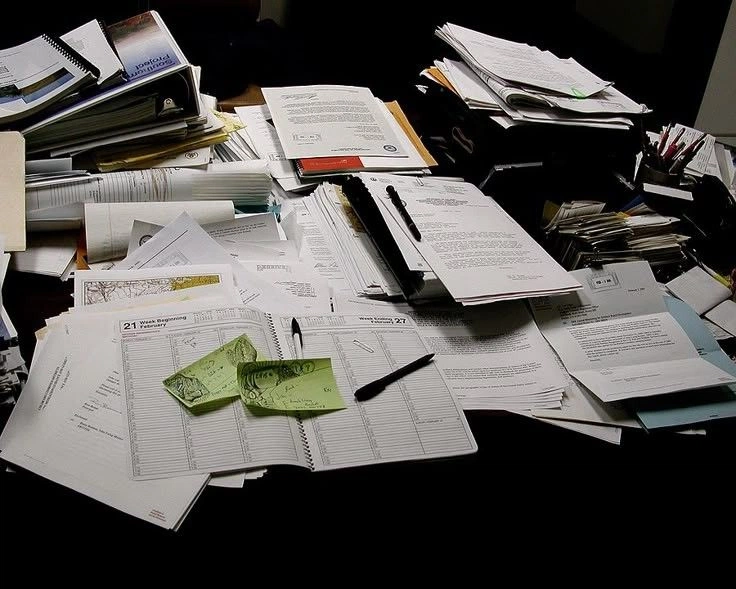
Every company can raise a round, take a loan, cut a cost or sign one more client. None of them can buy back the eleven hours a week a team spends copying data between tools, chasing approvals in chat, rebuilding the same proposal deck, or explaining the same process to the same person for the fourth time.
When we audit a client’s operations, we do not start with the P&L. We start with a calendar. We map where the hours actually go, not where the org chart says they should go. The gap between those two pictures is the real cost of running the business.
Routine work is a design problem
Most operational drag is not a discipline problem or a hiring problem. It is a design problem. Somebody, at some point, solved a small issue with a manual workaround, and that workaround quietly became the process. Multiply that by three years and forty people and you have a company that spends most of its energy maintaining itself.
Good design removes decisions. A clear interface, a single source of truth, a form that validates itself, a dashboard that answers the question before it is asked, each of these deletes a recurring meeting, an email thread or a status update that would otherwise repeat forever.
What we automate first
- Intake. Leads, briefs and requests should arrive structured, not as free-form messages someone has to re-type.
- Handover. Every point where work moves between people is where time leaks. Automate the transfer, not the thinking.
- Reporting. If a human assembles a report by hand, the report is already out of date when it is read.
- Billing and follow-up. Invoices, reminders and confirmations should never depend on someone remembering.
None of this is exotic technology. It is disciplined product thinking applied inward, to your own company, with the same care you would apply to a customer-facing product.
The result clients actually feel
The metric we care about is not "hours saved" on a slide. It is whether the founder gets their Friday afternoon back, whether the account manager stops working evenings, whether onboarding a new client takes twenty minutes instead of two days.
Revenue follows that. A team with reclaimed attention sells better, ships faster and makes fewer expensive mistakes. Automation is not about replacing people, it is about giving them back the part of the week where the valuable thinking happens.
Where to start this month
Pick the single process your team complains about most. Write down every step, including the invisible ones, the reminders, the double-checks, the "just confirming" messages. Then delete half of them by design, and automate what remains.
That one exercise usually returns more time than a new hire would, and it costs a fraction of the salary.
If you want a second pair of eyes on it, that is exactly the conversation we like having over coffee.