Germany is one of the biggest economies in the world, but a lot of everyday business still feels surprisingly manual.
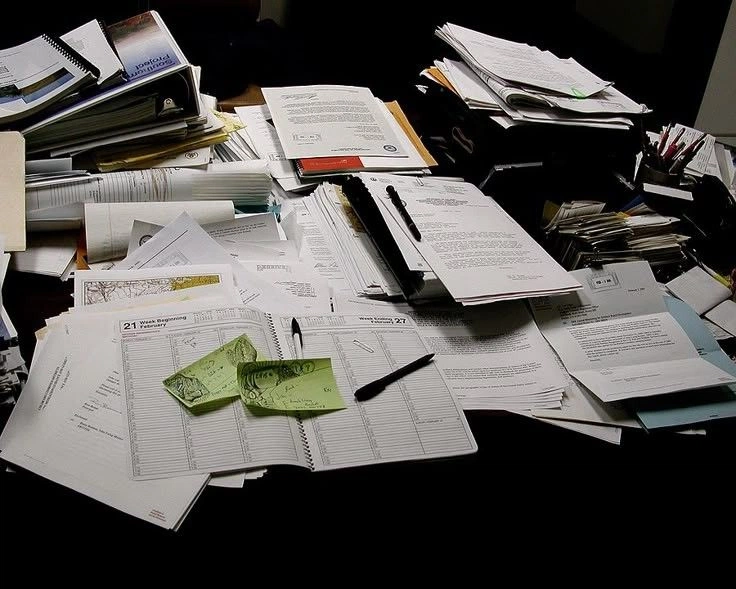
Every paper step, every manual confirmation, every process that depends on memory instead of a system creates hidden costs: slower response times, weaker customer experience, more admin, more missed opportunities.
Germany is one of the biggest economies in the world, but a lot of everyday business still feels surprisingly manual.
That is what makes it interesting.
Not because Germany is “behind”, but because it shows how even strong economies can lose time and money through small, outdated habits.
Cash is the easiest example. In 2025, cashless payments finally moved ahead in Germany, reaching 55% of recorded purchases, while cash still accounted for 45%. That sounds modern, until you realise how much friction still sits inside normal customer and business flows.
The same pattern shows up elsewhere. Only about 25% of small German businesses use CRM software, while among large companies the number is 65%. And yes, fax is still around too: in 2025, 25% of German craft businesses were still using it at least partly.
That is not just a “digital trend” issue. That is a business efficiency issue.
Every paper step, every manual confirmation, every process that depends on memory instead of a system creates hidden costs: slower response times, weaker customer experience, more admin, more missed opportunities.
This is why I keep saying that digitalisation is not about looking modern. It is about making the business easier to run and easier to buy from.
A better payment flow, a proper CRM, cleaner automation, fewer manual steps — none of that sounds dramatic. But together, it changes margin, speed, and customer trust.
That is also why small businesses should care. You do not need enterprise budgets to remove obvious friction. You just need to notice where time, money, and energy are leaking.
That is where I usually come in: I look at the real customer journey, the real operations behind it, and help redesign the flow so the business runs cleaner and sells easier.
Big economy or not, bad processes are still expensive.